
Special Educational Needs and Disabilities (SEND)

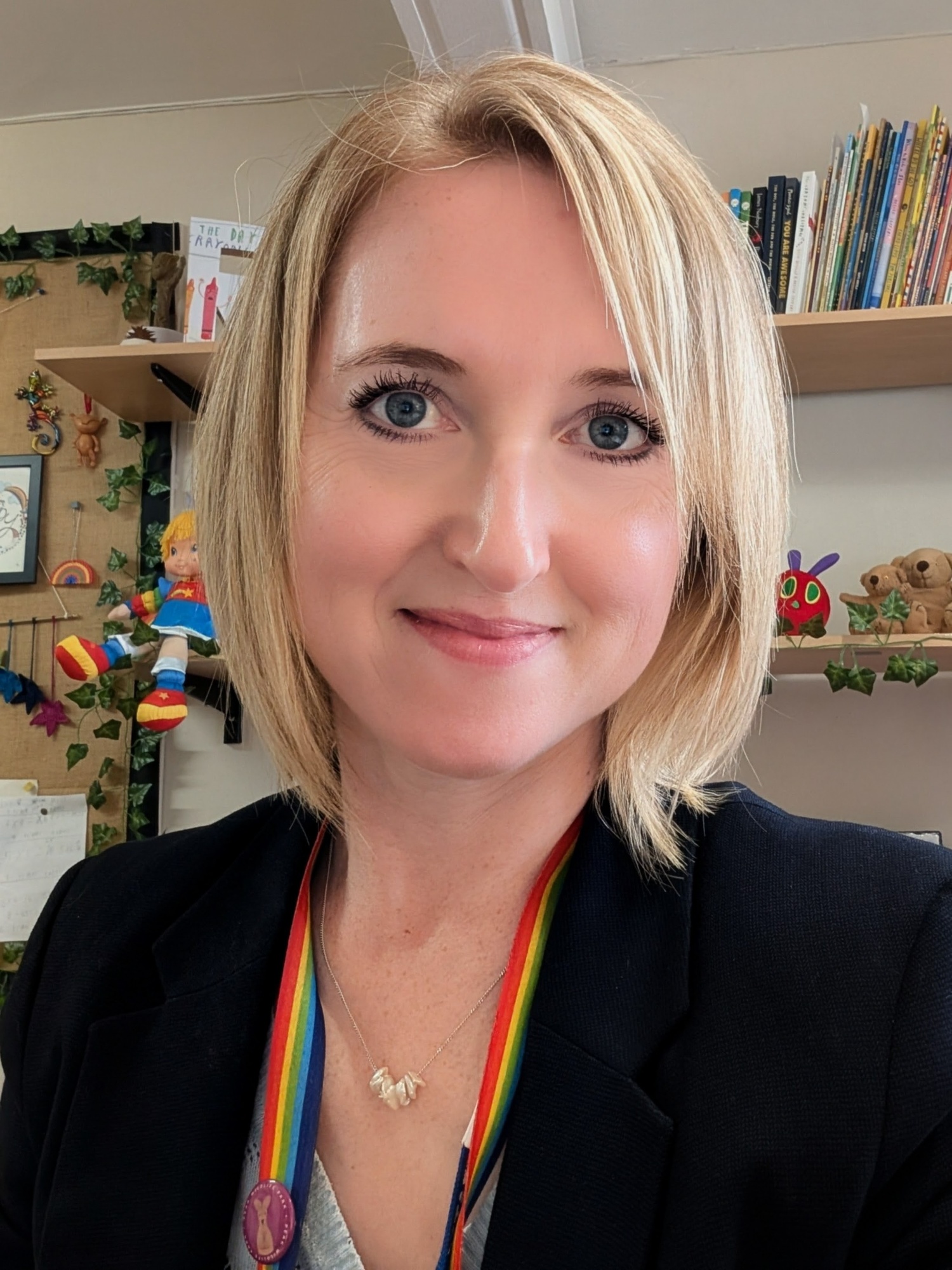

The staff responsible for SEND at Croft Infant School are, Mrs Swain, our Headteacher and
Mrs Curtis, our Special Educational Needs & Disabilities Co-ordinator (SENDCo).
Mrs Curtis can be contacted by ringing our school office on 01773 832307.
Croft Infant School is an inclusive school.


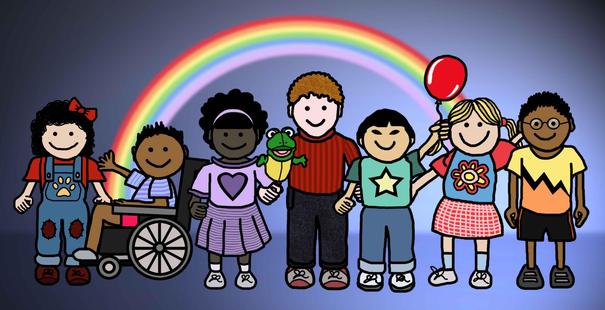
We ensure that all of our children, including those with disabilities or from diverse backgrounds, learn together. We adapt our curriculum to meet individual needs, and foster a sense of belonging for everyone.
Provision for those children with with special educational needs and disabilities (SEND) is a strength of our school. Children are fully included in all aspects of school life and are very well supported by staff and skilled teaching assistants. This was noted in our most recent OFSTED report in October 2024.
"Pupils with SEND are fully included in school life. They learn alongside their peers and benefit from tailored teaching support when needed. Staff are knowledgeable about the needs of these pupils and select the most appropriate resources to help these pupils learn successfully." Ofsted October 2024
- During different times in a child's school life, a child may have a special educational need or require provision that is additional to or different from the usual High Quality Teaching that is in place for all our children.
- At Croft Infant School, all teachers are teachers of children with SEND. Teachers make adaptations to ensure that all children, including those with SEND, can learn well.
- We work with each child and their parents or carers to create an Individual Education Plan that celebrates strengths and aims to reduce and remove barriers to learning.
- We provide a graduated approach to SEND. This means that we assess, plan, do and review our teaching in a continuous cycle to make sure that all pupils progress and thrive.
- We work with the Inclusion Support Advisory Service to produce targeted or specialist support for pupils dependent on their needs and in accordance with Derbyshire County Council’s Graduated Response.

“Helping and supporting children & young people with special educational needs and disabilities to be more confident in their communities and live independently.”
The Derbyshire Local Offer is in place to support children and young people with special educational needs and disabilities (SEND), as well as their parents and carers. It provides clear information about available services and provision, including how to apply for an assessment, early years support, education and learning, care services, preparing for adulthood, health and wellbeing, financial support and travel and transport. The Derbyshire Local Offer contains useful resources for families. The Local Offer includes a directory of local SEND services, support groups, and activities, empowering families to make informed decisions and enhance the quality of life for children and young people with SEND in Derbyshire.
The Derbyshire Local Offer
SEND Information Report September 2025- Please download the full report at the end of this page.
Accessible SEND Information Report 2025-2026 Part 1
Accessible SEND Information Report 2025-2026 Part 2
Accessible SEND Information Report 2025-2026 Part 3
The Special Educational Needs Code of Practice gives guidance to education settings. The code of practice 6.79 states that the governing body of maintained schools must publish information on their websites about the implementation of the policy for pupils with Special Educational Needs.
The Code of Practice 2014 identifies 4 broad areas of SEND:
- Communication and Interaction
- Cognition and Interaction
- Social, Mental and Emotional Health
- Sensory and/or Physical needs
A child or young person has SEND if they have a learning difficulty or disability which calls for special educational provision to be made for him or her. A child of compulsory school age or a young person has a learning difficulty if he or she:
- Has a significantly greater difficulty in learning than the majority of others the same age, or
- Has a disability which prevents or hinders him or her from making use of facilities of a kind generally provided.